Let’s Build Your Unit Together Call Our Specialists Now On 01536 202 944
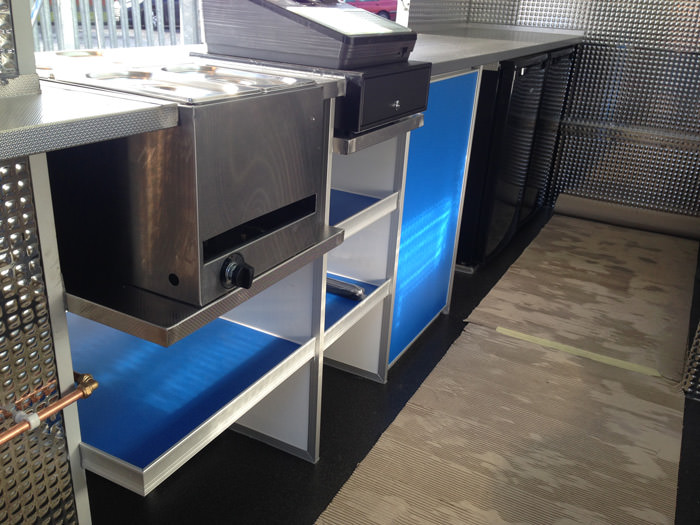
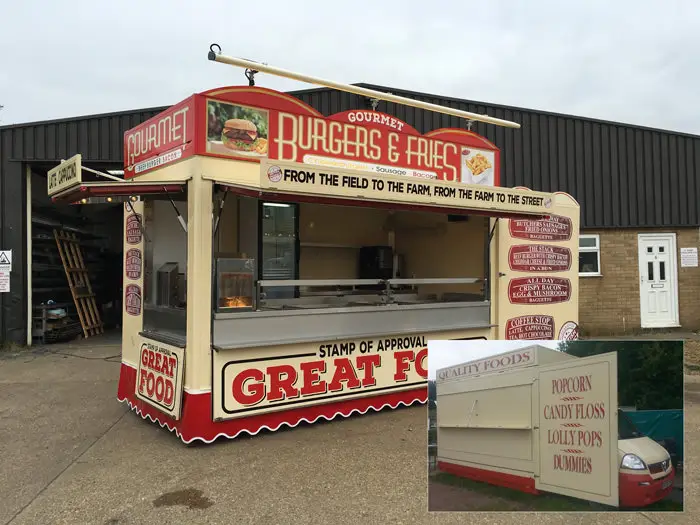
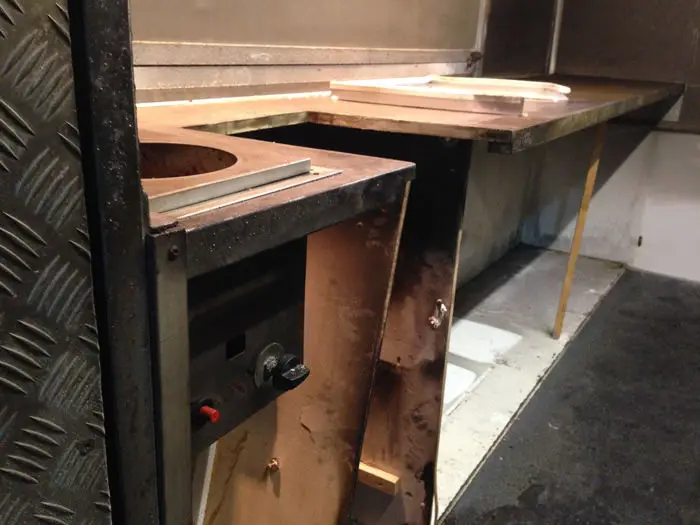
You may have a little repair job or a combination of items that need taking care of. You might be considering changing your food offering or how your unit is set up.
Either way, the team at 4Sure are experienced in all types of repairs and alterations. The first step is to pick up the phone and speak with us, or just drop us an email with your details and what you want to be done. We’ll talk through your requirements, give you a quote and then you can decide how best to get your vehicle to us. We can do emergency repairs on site, depending on the nature.
Our quotes are always fair and transparent. Obviously when we inspect the unit at first hand, we get a better idea of what needs to be done. We’ll talk to you straight away to agree any changes to our quote, up or down, if that’s needed. But there will never be any nasty cost surprises when your vehicle is ready, and we’ll always stick to the agreed turnaround time.
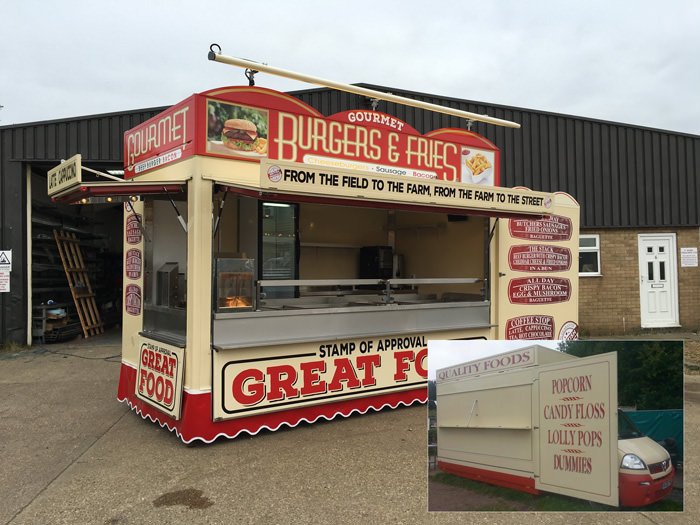
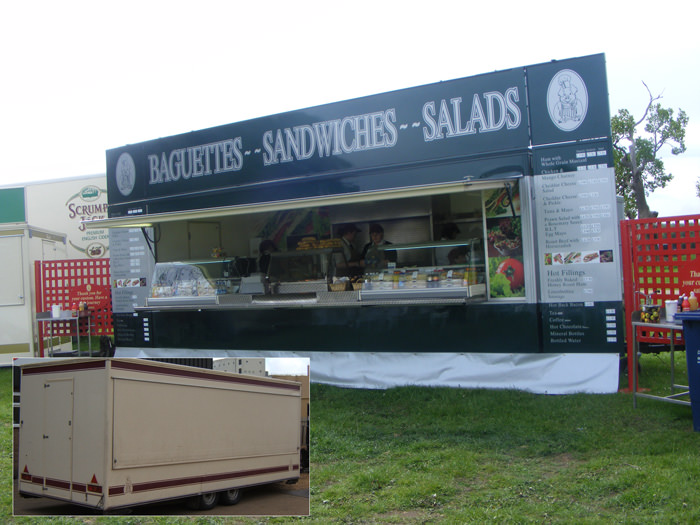

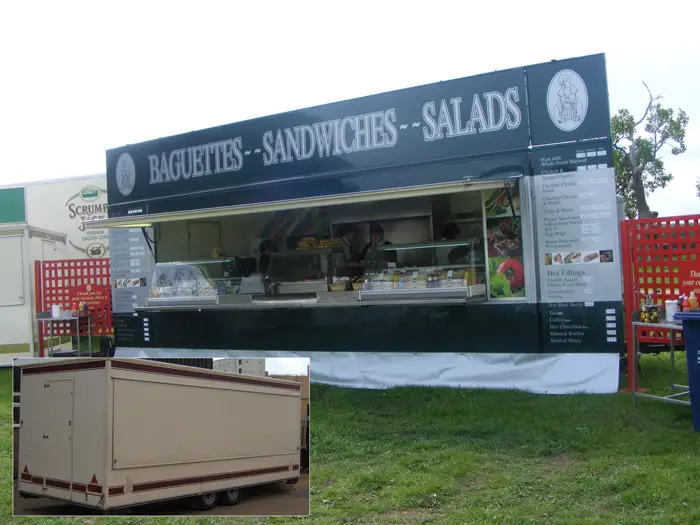
It’s anything you can think of to do with a catering unit. That includes:
The only thing we can think of we don’t take care of, if you have a vehicle conversion, is the vehicle itself. Otherwise we do it all.
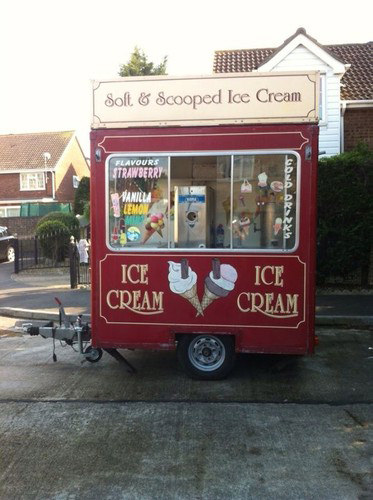

Maybe you want to change the type of food you offer? Or add something to your offering? Maybe you want to see if you can increase output? Or you realise you need an extra person to help and that needs a change in configuration? Whatever you’re looking for, chances are we can do it. Just call and ask.
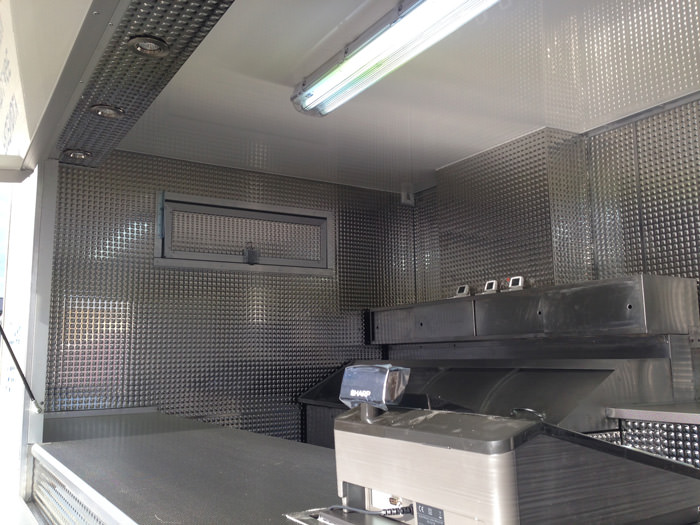
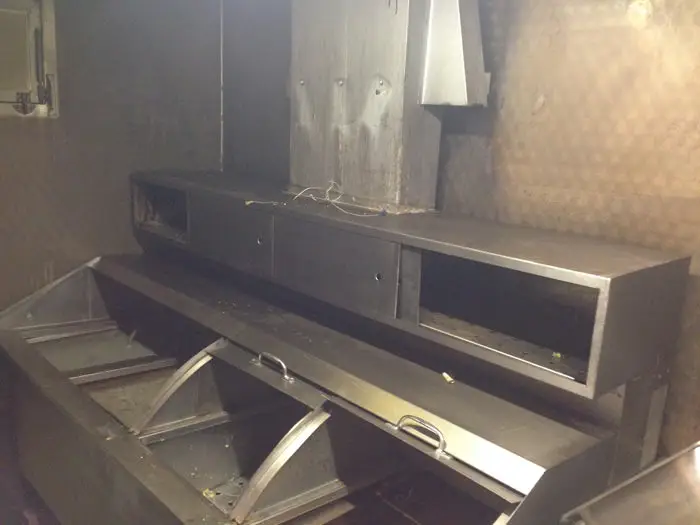
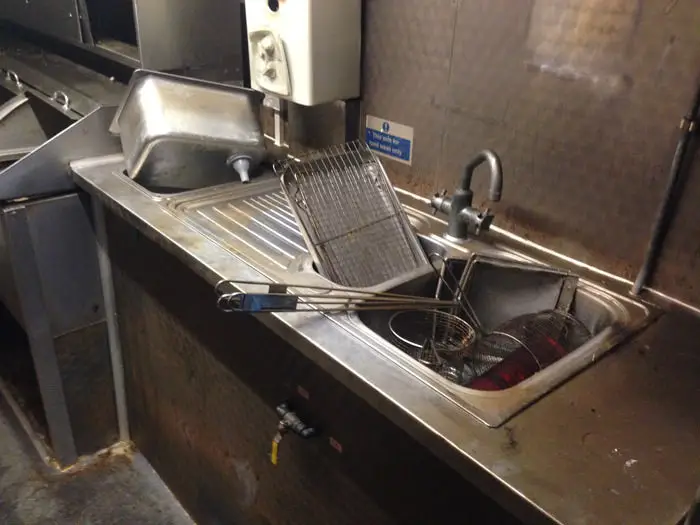
All the units we build are designed to be easy to clean with no hidden dirt, food or grease traps so they will always look good and be hygienic. There’s no doubt a regular deep clean will benefit any kitchen and we always recommend you carry one out on a regular basis. As you’ll know, it will go deeper (no pun intended) from what can easily become a routine at the end of a working day.
The advantage of bringing your catering trailer or vehicle to us is we have people who are experienced in cleaning all types of catering vans and trailers, the right tools and machinery and materials designed for deep cleaning. It’s not always their favourite job, as you can imagine, but they are very good at it.
Here’s what we cover in a classic deep clean:
When it comes back to you, your whole unit, the equipment, the walls, the serving hatch and the flooring will be sparkling clean. Your unit and equipment might not look exactly like brand new, but it will be the next best thing. You won’t be the only ones to notice, your customers will too.
You may already be aware you have a legal duty to carry out maintenance work and re-certification on a regular basis. Most reputable events and councils will only let you trade once you have provided them with relevant documentation. So even though some of these areas are ‘recommended’, without confirmation your unit has been inspected and deemed ‘safe’ within a reasonable period (12 months is most likely), they will not allow you to trade.
Assuming you have ambitions to grow your business, employ staff, invest in more vehicles and trailers to generate higher revenues, our best advice to you is to get the testing done regardless of legal duty or recommended schedules.
This is where we keep you totally safe – when you work with us to complete your maintenance and testing, our systems allow us to contact you and get you booked in prior to expiry of your current certificates.
I can see just two reasons not to get your outlets inspected. No 1 is the cost of doing so and No 2 is the inconvenience of getting these tests completed.
But when you work with us to keep you safe, we’ll come up with an arrangement that allows these works to be affordable. Secondly, we’ll liaise with you and complete the works at a time where the disruption either wouldn’t affect your business or when you can minimise disruption as much as possible.
We work with several clients with a fleet to be maintained, where we attend their base and do it all there, saving them money in fuel and transportation costs and their valuable time.
The right certification will often protect you against an employee claiming for an accident at work or one of your customers doing the same. No recent inspections puts you on the back foot.


Some of the tests and work will be: